

Your skin does much more than influence your appearance. As the body’s largest organ, it protects against environmental damage, helps regulate body temperature, and serves as a barrier against harmful microorganisms. However, conditions such as persistent acne, eczema, sun damage, and unexplained rashes can interfere with its ability to function properly.
This is where dermatologists play an essential role. These medical specialists diagnose and treat conditions affecting the skin, hair, and nails while helping patients prevent future problems. Whether you are dealing with a chronic skin condition or noticing an unusual mole, professional dermatological care can make a meaningful difference.
For individuals seeking dermatology woodmere, understanding the services a dermatologist provides is an important first step toward making informed decisions about skin health.
What Is a Dermatologist, and What Do They Do?
A dermatologist is a medical doctor who specializes in diagnosing, treating, and preventing diseases affecting the skin, hair, and nails. Their expertise covers everything from common concerns, such as acne and dandruff, to complex conditions requiring specialized medical care.
Unlike general skincare professionals, dermatologists receive extensive medical training that allows them to identify underlying health conditions that may produce visible symptoms on the skin.
Their responsibilities extend beyond prescribing medications. They assess individual risk factors, recommend preventive measures, perform diagnostic procedures, and develop personalized treatment plans.
Dermatologists also help patients distinguish between temporary cosmetic concerns and symptoms that require medical attention. A persistent rash, for example, may indicate an allergic reaction, an inflammatory condition, or an infection.
Diagnosing and Treating Common Skin Conditions
One of a dermatologist’s primary responsibilities is identifying the underlying cause of skin problems. Because several conditions can produce similar symptoms, an accurate diagnosis is essential for effective treatment.
Acne and Persistent Breakouts
Acne affects teenagers and adults and can range from occasional blemishes to painful inflammatory lesions. Hormonal changes, excess oil production, clogged pores, and inflammation can all contribute to breakouts.
Dermatologists evaluate acne severity and recommend treatments based on individual needs. Options may include topical retinoids, benzoyl peroxide, prescription medications, or hormonal treatments when appropriate.
Early intervention is particularly important for inflammatory acne because untreated lesions can lead to permanent scarring and post-inflammatory hyperpigmentation.
Eczema, Psoriasis, and Chronic Inflammation
Chronic inflammatory conditions often require ongoing management rather than temporary symptom relief.
Eczema can cause dryness, irritation, and persistent itching, while psoriasis commonly produces inflamed, scaly patches. Although these conditions may appear similar, their underlying mechanisms and treatments differ.
Dermatologists develop treatment plans that may include moisturizers, anti-inflammatory medications, phototherapy, or targeted prescription treatments for more severe cases.
They also help patients identify triggers and establish practical routines to manage recurring symptoms.
Skin Cancer Detection and Early Diagnosis
Early identification of suspicious skin changes is among the most important aspects of dermatological care.
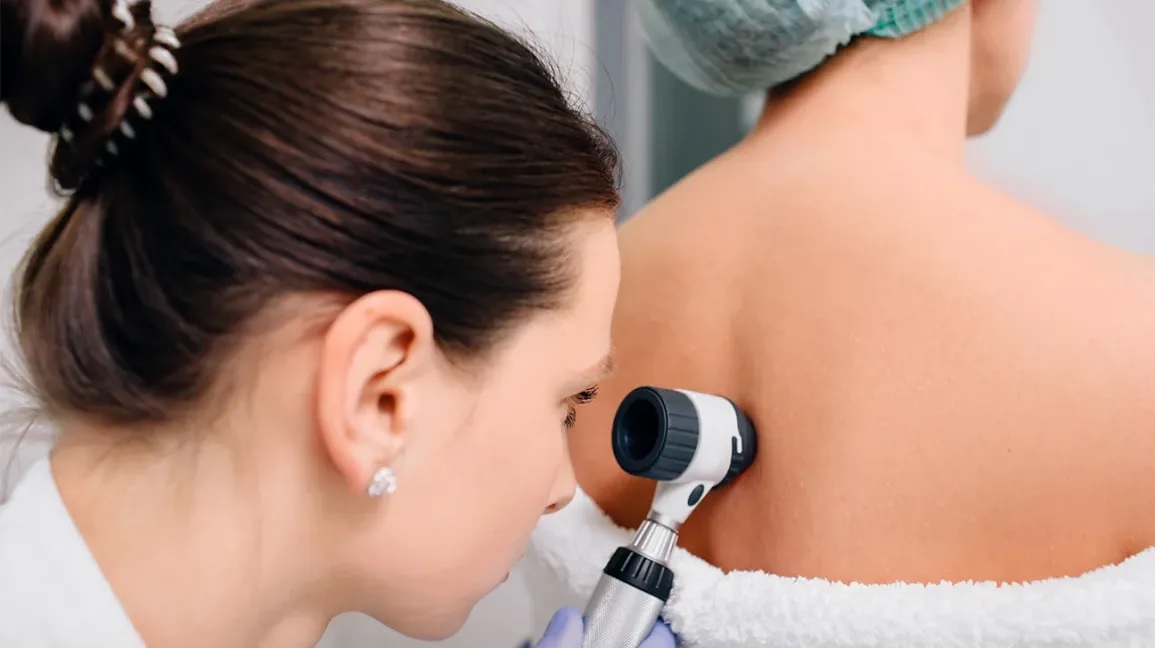
Dermatologists examine moles, unusual growths, and persistent lesions for warning signs of skin cancer. These include changes in size, shape, color, or appearance, particularly when a spot begins bleeding, itching, or behaving differently from surrounding moles.
When necessary, a dermatologist may perform a skin biopsy to determine whether abnormal cells are present.
People with a personal or family history of skin cancer, numerous atypical moles, or significant ultraviolet exposure may need more frequent professional examinations.
However, screening schedules should reflect individual risk rather than a universal appointment frequency. Regular skin self-examinations can also help people recognize suspicious changes between professional visits.
Protecting the Skin Barrier and Preventing Damage
The skin barrier helps retain moisture while limiting exposure to irritants, allergens, and harmful microorganisms.
When this protective barrier becomes compromised, people may experience dryness, sensitivity, itching, and inflammation. Excessive exfoliation, harsh cleansers, unsuitable skincare products, and certain medical conditions can contribute to these problems.
Dermatologists help patients restore barrier function through appropriate cleansing, moisturizing, and targeted treatment.
Sun protection is another essential preventive measure. Broad-spectrum sunscreen with an SPF of at least 30, protective clothing, and shade can reduce ultraviolet damage.
For outdoor activities, sunscreen should generally be reapplied every two hours and after swimming or excessive sweating.
Preventive dermatology focuses on establishing sustainable habits that protect the skin throughout life rather than addressing damage only after symptoms appear.
Personalized Skincare and Modern Dermatology Treatments
Skincare is not a universal process. A product that works well for oily skin may aggravate someone with eczema or a compromised skin barrier.
Dermatologists consider several factors when recommending products and treatments, including skin type, medical history, lifestyle, existing medications, and individual concerns.
Modern dermatology also offers increasingly targeted approaches to managing complex conditions.
Biologic medications, for example, can address specific inflammatory pathways involved in certain forms of psoriasis and eczema. Phototherapy and other specialized procedures remain valuable options for selected patients.
Digital consultations have also expanded access to dermatological advice. Teledermatology can be useful for follow-up appointments, medication management, and assessing certain visible conditions.
However, suspicious growths and conditions requiring biopsies or detailed physical examinations generally need an in-person appointment.
Choosing the Right Dermatologist for Your Needs
Selecting a dermatologist involves more than finding someone who offers a particular treatment. Relevant qualifications, clinical experience, communication style, and familiarity with your specific concerns should all influence your decision.
Finding the right professional to guide you through this process is a key step. Many people start by looking for a local specialist who understands their specific climate and regional skin concerns. For instance, if you live in Texas, consulting a Dermatologist in San Antonio can help you address issues caused by intense sun exposure. These experts can design a personalized routine that protects your skin from daily environmental damage. Regular visits also ensure that any changes in your skin are caught early.
Before scheduling an appointment, consider whether the practice specializes in medical dermatology, cosmetic procedures, or both. Patients with complex conditions may benefit from a dermatologist with additional experience in their particular diagnosis.
Improving Skin Appearance Through Cosmetic Dermatology
Dermatological care is not limited to treating diseases. Cosmetic dermatology addresses concerns such as uneven pigmentation, acne scars, fine lines, and changes in skin texture.
Depending on individual needs, dermatologists may recommend chemical peels, laser treatments, prescription skincare, or injectable procedures.
A qualified dermatologist evaluates skin type, medical history, and potential complications before recommending cosmetic treatments.
This individualized approach is particularly important because certain procedures carry a greater risk of pigmentation changes in darker skin tones.
The objective should be realistic improvement while maintaining healthy skin, rather than pursuing unnecessary treatments or expecting immediate results.
What to Expect During a Dermatology Appointment
A dermatology consultation generally begins with a review of your medical history, symptoms, current skincare products, and any medications you use.
Your dermatologist may ask when symptoms appeared, whether they have changed, and which treatments you have already tried.
Depending on your concerns, the examination may focus on a particular area or involve a more comprehensive assessment of your skin.
If additional investigation is necessary, your dermatologist may recommend a biopsy, allergy patch testing, or another diagnostic procedure.
Before leaving, ask about your diagnosis, treatment options, potential side effects, and expected recovery or improvement timeline. Understanding your treatment plan makes it easier to follow recommendations and recognize when further medical attention is needed.
Everyday Habits That Support Healthy Skin
Although professional care is valuable, daily habits remain essential for maintaining skin health.
A consistent routine usually begins with a gentle cleanser, a moisturizer appropriate for your skin type, and reliable sun protection. Avoid introducing multiple active ingredients simultaneously, particularly if you experience irritation or sensitivity.
Persistent skin problems should not be managed indefinitely through trial and error. Seek professional advice when a rash spreads, acne causes scarring, a wound fails to heal, or an existing mole changes noticeably.
Dermatologists can help you establish realistic skincare routines without unnecessary products or complicated treatment regimens.
Why Dermatological Care Matters
Healthy skin requires a combination of preventive care, appropriate treatment, and awareness of potential warning signs.
Dermatologists provide expertise that extends from managing everyday skin concerns to identifying serious medical conditions. They also help patients navigate changing treatment options and avoid products or procedures that may cause unnecessary damage.
Understanding when to seek professional advice, practicing consistent sun protection, and following an individualized skincare routine can help maintain healthier skin and prevent avoidable complications.
A dermatologist is ultimately a long-term partner in protecting your skin’s health, comfort, and function.
Editorial verification: The medical guidance on acne, suspicious skin changes, individualized screening, and sun protection is consistent with American Academy of Dermatology recommendations. The article’s structure follows Google’s emphasis on helpful, people-first content. Medical articles should also receive qualified clinical review and carry accurate authorship information before publication.

Comments are closed.