

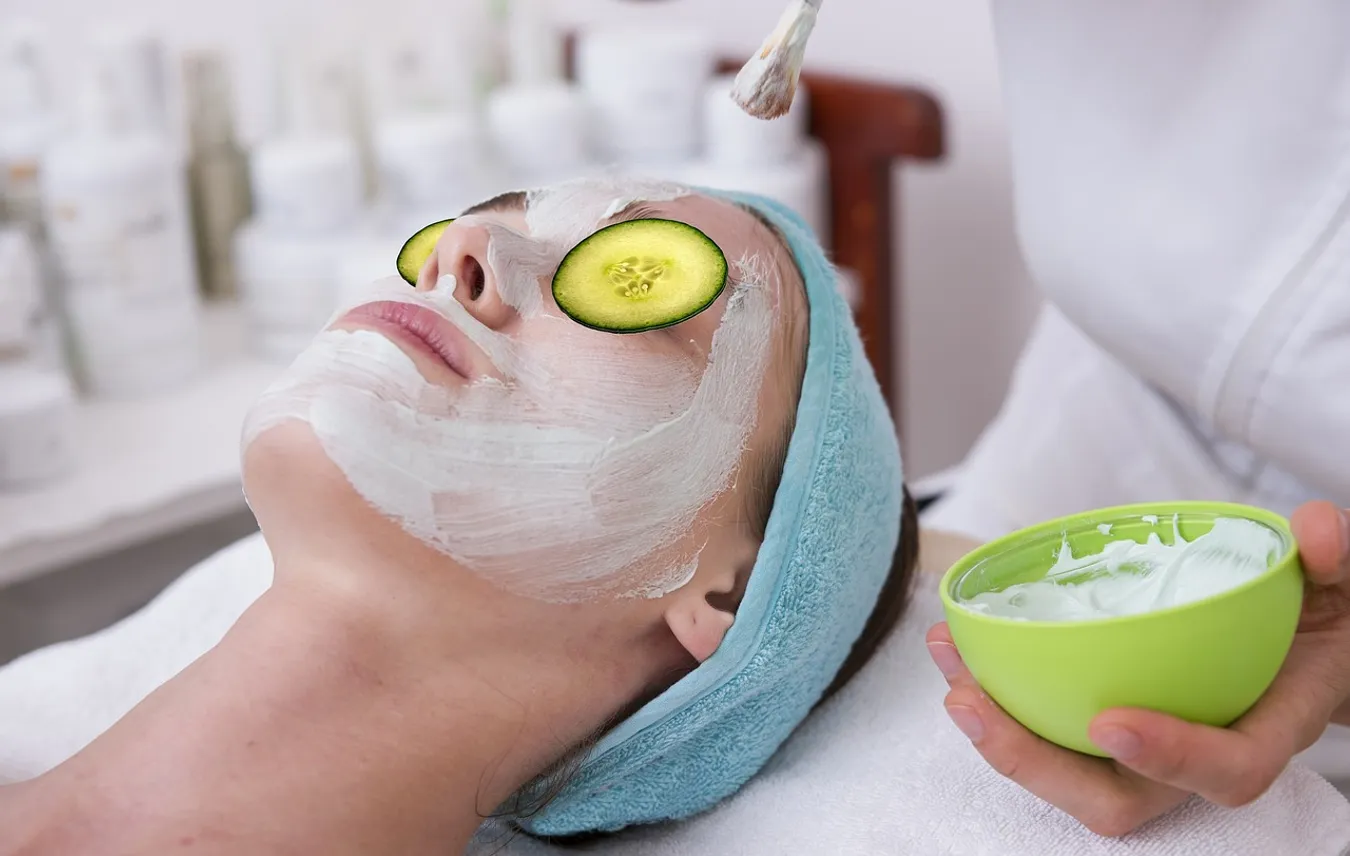
Our skin, the body’s largest and most visible organ, is both a reflection of our overall health and a shield protecting us from environmental elements. Whether it’s the glow of youthful vitality or the inevitable signs of aging, skin care plays a crucial role in maintaining not just the appearance but also the well-being of this essential organ. As we navigate the increasingly complex landscape of beauty and wellness, it’s important to approach skin care with knowledge, patience, and a personalized touch. While the market is flooded with products promising flawless, radiant skin, true skin care goes beyond mere cosmetics—it’s about nourishing, protecting, and rejuvenating the skin through a thoughtful blend of routine and self-care.
Understanding the Skin: A Complex Organ
To appreciate the art of skin care, it’s essential to first understand the structure and function of the skin itself. The skin is composed of three primary layers: the epidermis, the dermis, and the subcutaneous layer. Each layer plays a vital role in the skin’s health, appearance, and ability to function effectively.
-
The Epidermis: The outermost layer of the skin, the epidermis serves as the body’s primary defense against environmental factors such as pollutants, bacteria, and UV radiation. This layer also contains melanin, the pigment responsible for skin color, and is constantly renewing itself as dead skin cells are shed and replaced by fresh ones.
-
The Dermis: Beneath the epidermis, the dermis houses the skin’s blood vessels, nerves, hair follicles, and connective tissue. This layer is responsible for giving the skin its strength, flexibility, and elasticity, thanks to collagen and elastin fibers. It also contains sebaceous glands that produce sebum, an oily substance that helps lubricate the skin and keep it moisturized.
-
The Subcutaneous Layer: The deepest layer of the skin, the subcutaneous layer consists mainly of fat and connective tissue. It acts as insulation, protecting the body’s internal organs and helping to regulate temperature. This layer also stores energy and plays a crucial role in the skin’s overall health and appearance.
Given the complex nature of the skin, skin care must be approached holistically, considering both internal and external factors. While many of us focus on topical treatments, healthy skin is also the result of factors like nutrition, hydration, and lifestyle choices.
The Pillars of Effective Skin Care
-
Cleansing: The Foundation of Skin Health
The first step in any effective skin care routine is cleansing. Cleansing is essential to remove dirt, oil, makeup, and environmental pollutants that can clog pores and lead to breakouts or irritation. However, it’s important to choose a cleanser that suits your skin type and is gentle enough to preserve the skin’s natural moisture balance. Harsh cleansers can strip the skin of its protective oils, leading to dryness, sensitivity, or overproduction of oil.
For those with dry skin, creamy or hydrating cleansers are often preferable, while gel-based or foaming cleansers work best for oily or acne-prone skin. For sensitive skin, a fragrance-free, sulfate-free cleanser can help reduce irritation. A good cleansing routine should be done twice a day—once in the morning and once before bed—to ensure the skin remains clean and balanced.
-
Exfoliation: Removing Dead Skin Cells
Exfoliation, the process of removing dead skin cells from the surface of the skin, is another key component of skin care. It helps reveal fresh, glowing skin beneath and can improve the absorption of other skincare products. Regular exfoliation can also prevent clogged pores, reduce the appearance of fine lines, and even out skin tone.
There are two primary types of exfoliation: physical and chemical. Physical exfoliants include scrubs or brushes that manually slough off dead skin cells, while chemical exfoliants contain acids (like alpha-hydroxy acids or beta-hydroxy acids) that dissolve dead cells without scrubbing. Chemical exfoliants are often gentler and more effective at deeper levels, making them ideal for those with sensitive skin. However, over-exfoliating can lead to irritation, so it’s crucial to find the right balance. Generally, exfoliating once or twice a week is sufficient for most skin types.
-
Moisturizing: Keeping the Skin Hydrated
Moisturization is a crucial step in any skincare regimen, as it helps maintain the skin’s hydration and supports its natural barrier function. Even oily skin needs moisture, as dehydration can trigger excess oil production and lead to imbalances. A good moisturizer locks in moisture and strengthens the skin’s protective barrier, which helps to prevent moisture loss throughout the day.
For dry or mature skin, richer, thicker creams or oils may be necessary, while those with oily or acne-prone skin may benefit from lighter, oil-free formulations. Hyaluronic acid, a powerful humectant, is a popular ingredient in moisturizers due to its ability to attract water into the skin. Similarly, ceramides help reinforce the skin’s natural barrier, making them an excellent choice for those with compromised skin.
-
Sun Protection: Defending Against UV Damage
Sun protection is perhaps the most important, yet often overlooked, aspect of skin care. The sun’s ultraviolet (UV) rays are responsible for a host of skin issues, from premature aging and sunburns to more serious conditions like skin cancer. Consistent use of sunscreen is the single most effective way to prevent UV damage.
Sunscreen should be applied every day, even on overcast days or during winter months. A broad-spectrum sunscreen with an SPF of at least 30 is recommended for daily use. Physical sunscreens, containing ingredients like zinc oxide or titanium dioxide, sit on top of the skin and reflect UV rays, while chemical sunscreens absorb them. The key is to find a sunscreen that suits your skin type and lifestyle, ensuring that it is both comfortable and effective.
-
Targeted Treatments: Addressing Specific Skin Concerns
While the foundational elements of a skin care routine are universal, specific skin concerns may require targeted treatments. Whether dealing with acne, hyperpigmentation, fine lines, or dryness, there are a wide variety of ingredients that can be incorporated into a skincare routine to address these concerns.
-
Retinoids: These derivatives of Vitamin A are known for their ability to stimulate collagen production and accelerate cell turnover. Retinoids are particularly effective for combating fine lines, wrinkles, and acne. However, they can be irritating, so it’s important to start slowly and use them in combination with a hydrating moisturizer.
-
Vitamin C: This antioxidant is a powerhouse for brightening the skin and reducing hyperpigmentation. Vitamin C helps neutralize free radicals, preventing oxidative stress, and promoting the production of collagen for firmer skin.
-
Niacinamide: Known for its soothing and anti-inflammatory properties, niacinamide is an excellent ingredient for reducing redness, irritation, and the appearance of pores. It also helps to regulate oil production and can be beneficial for those with acne-prone skin.
Lifestyle Factors and Skin Care
In addition to topical treatments, overall lifestyle choices play a significant role in skin health. A balanced diet rich in antioxidants, healthy fats, and vitamins can help nourish the skin from the inside out. Foods like berries, leafy greens, nuts, and fatty fish are particularly beneficial for skin health. Staying hydrated by drinking plenty of water also helps maintain skin elasticity and moisture.
Adequate sleep is equally important, as the body repairs itself during rest, including the regeneration of skin cells. Stress management techniques, such as meditation, yoga, or simply spending time outdoors, can also reduce the impact of stress on the skin, which is often a trigger for conditions like acne or eczema.
Conclusion: A Tailored Approach to Skin Care
Skin care is a deeply personal and evolving journey, one that requires attention, patience, and a willingness to adapt. There is no one-size-fits-all approach, as each person’s skin is unique. By understanding the needs of your skin, selecting the right products, and committing to a consistent routine, you can create a skincare regimen that works for you. Remember, the goal is not to achieve perfection, but to nurture and maintain healthy, vibrant skin that reflects your inner well-being. Embrace the process, celebrate the moments of self-care, and let your skin be a testament to your commitment to overall health and wellness.

Comments are closed.