

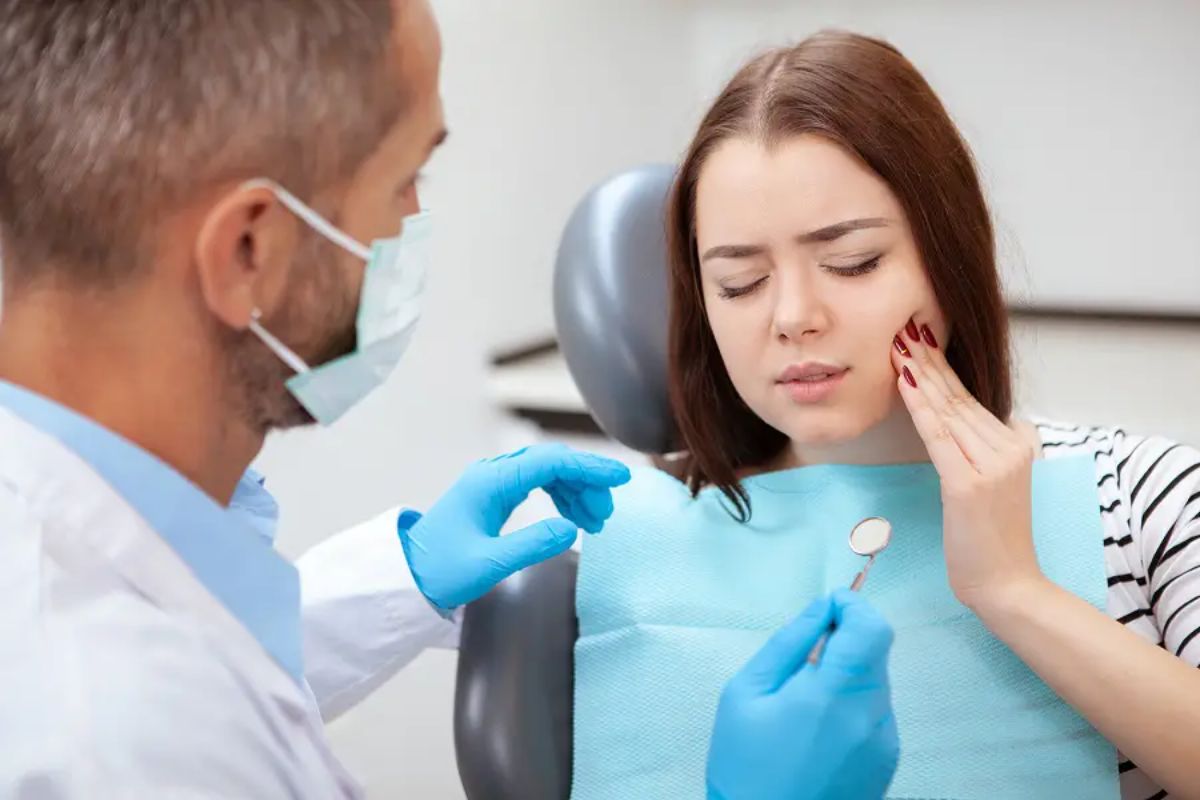
The first 60 mins of a dental emergency impacts more than you’d think. Your actions before you get to a dentist often determine if a tooth lives, if an infection spreads, or if a crack becomes a root canal. This guide sorts most common dental emergencies into what’s really urgent, what can wait, and how to buy time for the tooth or tissue in question.
Start By Asking How Urgent This Really Is
Here’s the thing: not every dental problem is actually an emergency, even if it feels like one at 11pm. A chipped tooth that doesn’t hurt, some sensitivity after a filling, a crown that’s gone a bit loose – that stuff can usually sit for a day or two while you sort out an appointment.
But there’s another category entirely. Bleeding that won’t stop. Swelling in your face that’s visibly getting worse. A whole adult tooth knocked clean out. Any kind of trauma where someone’s also confused or was knocked out, even briefly. None of that waits. That’s an ER or an emergency dentist within the hour – not “I’ll call in the morning.”
Where people tend to go wrong is at either extreme: freaking out over something minor, or brushing off something serious because the pain hasn’t really kicked in yet. And that second one’s the dangerous one – dental infections can look deceptively mild for days, then suddenly get much worse once they spread further. So figuring out which category you’re actually in is really the first thing to nail down, because it decides everything else you do from here.
A Knocked-Out Tooth: Speed Decides The Outcome
An avulsed tooth is the dental emergency with the shortest window. The goal should be reimplantation within five minutes if possible. The International Association of Dental Traumatology says a tooth reimplanted that quickly has an excellent chance of taking root for the long term, but that chance drops significantly after the tooth has been out of the mouth for more than an hour.
Here’s what we know works: Pick the tooth up by the crown, never the root. The root surface contains delicate ligament fibers that must remain undisturbed and moist if the tooth is to reattach properly. If it’s dirty, give it a quick rinse in milk or saline, not tap water and never soap. If you or the injured person can stand it, pop the tooth back into its socket and have them bite down on a piece of gauze or a moistened tea bag to hold it while you get to the dentist.
If you can’t reimplant right away, the tooth can store quite nicely in milk. Milk’s pH and osmotic balance is similar to the tooth root’s surroundings, which helps keep that important ligament healthy longer than saliva or water would. Saline is a second-best storage option. Among the worst choices? Wrapping the tooth in tissue or a paper towel, which dries out the root within minutes. That pretty much ensures it won’t take.
One exception: baby teeth. Dentists usually advise against reinserting an avulsed baby tooth because it could damage the permanent tooth waiting under the gum. Booking in for a general dentistry berriedale appointment on a regular schedule means your dentist already knows the child’s dental history, but if it’s a child’s tooth that’s been knocked out, concentrate on stopping the bleeding and getting them in to see a dentist rather than trying to reimplant it yourself.
Toothaches, Cracked Teeth, And Knowing What’s Underneath The Pain
A toothache is the number one reason most of us ever need emergency dental advice, and more often than not it’s due to pulpitis – inflammation of the pulp deep inside the tooth’s nerve chamber, caused by deep decay. Rinse with warm water to dislodge stray particles of food, and do some gentle flossing to remove anything trapped between teeth. Avoid very hot or cold food and drink, which is sure to set off new waves of agony, and stick to over-the-counter pain relief if the pain is particularly bad. Never place aspirin directly against the gum or tooth – it doesn’t numb the area, it causes a chemical burn on the soft tissue. Get to your dentist within a few days so they can assess whether a filling or further treatment is needed.
Cracked or fractured teeth need a slightly different approach depending on severity. A minor craze line in the enamel might not need urgent attention at all. A split that reaches the pulp is a different story, and it will usually announce itself with sharp pain when biting down. Rinse the mouth with warm water, save any broken fragments in a small container with milk, and apply a cold compress to the outside of the face to control swelling.
Get it looked at within 24 hours. Left alone, a fracture that exposes the pulp gives bacteria a direct route into the tooth, and what could have been a filling turns into root canal therapy or an extraction.
Recognizing An Abscess Before It Becomes A Medical Emergency
A dental abscess is where a lot of people underestimate what’s happening in their own mouth. It presents as severe, throbbing pain, facial swelling, a fever, or a visible boil-like bump on the gum. Some people describe a foul taste as it drains on its own, which brings temporary relief but doesn’t mean the infection is gone.
The line to watch for is swelling that spreads toward the eye, jaw, neck, or throat, or any difficulty swallowing or breathing. That’s not a “book an appointment” situation anymore. It’s a sign the infection may be tracking into deeper tissue spaces, and it needs an emergency room, ideally the same day. Antibiotics and drainage from a dentist handle the infection itself, but airway involvement is a medical, not dental, emergency.
Lost Fillings, Crowns, And Orthodontic Problems That Can Usually Wait
Not every emergency has to put you in panic mode, but sometimes it’s hard to tell the difference. A lost filling or crown is uncomfortable and makes the tooth sensitive to temperature, but it’s rarely urgent. If you still have the crown, keep it. Clean the tooth gently, and use dental cement from a pharmacy, denture adhesive, or even a small piece of sugar-free gum pressed over the area as a short-term seal until you can get it re-bonded or replaced properly.
Orthodontic issues are fairly similar. A loose bracket or a wire poking the cheek is irritating but almost never an emergency. Orthodontic wax placed over the sharp end, or gently repositioning the wire with a cotton bud, usually solves the problem until your next scheduled appointment. Resist the urge to clip the wire with household scissors. It’s easy to swallow or inhale the cut piece, and it doesn’t actually fix the underlying issue.
Soft Tissue Injuries: When Pressure Is Enough And When It Isn’t
Cuts to the lips, tongue, or inner cheek may bleed a lot, as this tissue has a rich blood supply, making them look worse than they are. Gently rinse your mouth with warm water to be able to clearly see the wound, then hold clean gauze on it with firm pressure for 10 to 15 minutes, without peeking to check if it’s stopped.
If it won’t stop bleeding with that steady pressure, or if the cut is deep enough that the edges gape open, it needs stitches. That’s a trip to urgent care or the emergency room; not something a dentist can typically do right there and then. A cold compress outside the mouth can help keep swelling down in the meantime.
The Real Fix Is Catching These Problems Before They Happen
All of the emergencies covered here have one thing in common: they started reasonably small. Decay that eventually caused an abscess. A weak filling that eventually failed. A crack that started as a minor stress fracture nobody felt yet. Regular dental checkups exist to catch these problems while they’re still small and boring, long before they turn into a 2 a.m. emergency.
This is really the more useful half of emergency preparedness. Most of the dramatic scenarios above are downstream of things a dentist would have flagged months earlier during a routine exam – a failing crown margin, early gum disease, or a cavity sitting quietly under an old filling. It’s the difference between managing a crisis and never having one in the first place.
Mouthguards deserve a mention here too, especially for anyone playing contact sports or grinding their teeth at night. A properly fitted mouthguard is the single most effective tool against sports-related tooth trauma, and it’s far cheaper than an emergency reimplantation or a crown.
Build A Small Kit And Save A Number
Being prepared may sound unnecessary until you find yourself in a situation with a bleeding lip, and you have no idea what to do. It doesn’t cost much to assemble a basic dental first aid kit comprising of sterile gauze, a saline sachet, a small lidded container for a knocked-out tooth, orthodontic wax, and over-the-counter pain relievers. Also, store it somewhere easy to reach, not hidden among other stuff.
Better yet, why don’t you save your dentist’s contact, after-hours, or emergency number on your phone now? Looking for a number while struggling to keep a tooth alive in a cup of milk is the last thing you want to do.
The way you handle a dental emergency largely depends on how long you can stay calm and do the right things within the first minutes. Knowing what counts as a real emergency, keeping a knocked-out tooth moist, applying the right pressure, and timing your office visit properly can be a lifesaver for a tooth. But the appointments you hardly remember, those routine ones that catch problems while they’re still quiet, keep you from needing any of this advice at all.

Comments are closed.