

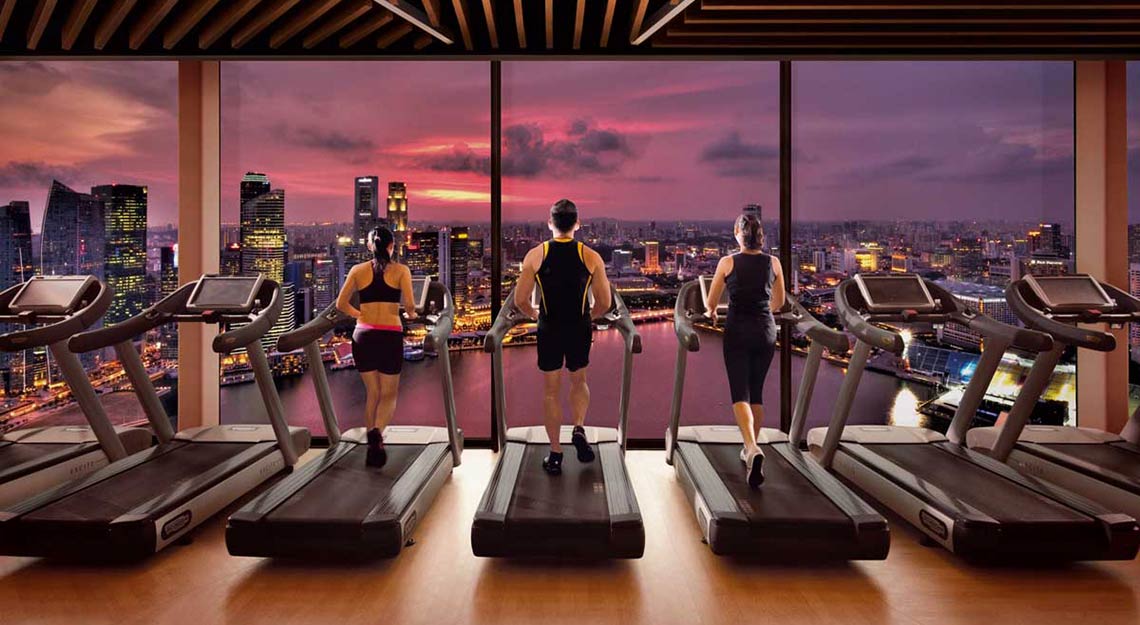
In a city known for its precision and efficiency, Singapore’s fitness industry mirrors the same values. Today’s gym-goers seek not just access to equipment but structured guidance that delivers real results safely. The growing demand for expert supervision in every gym Singapore highlights the vital role of certified trainers. They bridge the gap between motivation and method, helping members achieve their fitness goals through knowledge, safety, and science-backed routines.
Why Certification Matters in Fitness Training
A certified trainer is more than someone who demonstrates exercises. Certification represents years of study in anatomy, physiology, biomechanics, and nutrition. It ensures the trainer understands how the body moves and responds to stress.
In Singapore, fitness professionals often undergo internationally recognised training such as ACE, NASM, or FISAF certifications. These qualifications ensure they can tailor workouts to diverse populations—beginners, athletes, and even those recovering from injuries.
When gym members train under certified guidance, they experience measurable improvements in strength, endurance, and posture without unnecessary strain or injury.
Preventing Injuries Through Proper Supervision
One of the most overlooked benefits of having a certified trainer is injury prevention. Improper form or overexertion is a common cause of gym-related injuries. Trainers correct these mistakes early, ensuring exercises are executed safely and effectively.
Common injury risks reduced by expert supervision include:
-
Overuse injuries from repetitive strain.
-
Lower back pain caused by incorrect lifting.
-
Knee or shoulder injuries from poor alignment.
-
Fatigue-related accidents due to overtraining.
A professional trainer doesn’t just demonstrate exercises; they monitor breathing, balance, and control, creating an environment where progress happens safely.
Personalisation: The Core of Effective Fitness Programmes
Certified trainers understand that every person’s body and goals are different. A one-size-fits-all routine rarely works. Personalised plans account for factors like age, lifestyle, diet, medical conditions, and previous injuries.
For instance:
-
A corporate professional might need short, high-intensity workouts to fit into a busy schedule.
-
An older adult may require mobility and balance training.
-
A new mother might need postnatal strength rebuilding.
By adjusting workout intensity and progression, trainers help each member reach their potential at a sustainable pace.
How Certified Trainers Build Long-Term Motivation
Motivation often fades without accountability. Trainers act as both mentors and motivators, guiding members through plateaus and setbacks. Their structured approach helps individuals set realistic goals and celebrate milestones.
In Singapore’s competitive environment, where long work hours can disrupt routines, having someone track progress and provide encouragement makes consistency easier. The relationship between member and trainer becomes a key factor in maintaining discipline and momentum.
Understanding the Science of Progression
A key aspect of professional training is the principle of progressive overload—gradually increasing resistance, volume, or intensity to stimulate muscle growth and endurance.
Certified trainers apply this method carefully by:
-
Assessing baseline strength and flexibility.
-
Gradually adjusting weights and reps.
-
Monitoring recovery periods.
-
Preventing overtraining through balance and rest.
This scientific approach ensures consistent results without risking burnout or injury.
The Importance of Recovery Education
Training hard is only one side of the equation. Recovery is equally critical. Many beginners in Singapore’s gyms neglect rest days or underestimate post-workout nutrition.
Trainers educate members on:
-
Active recovery techniques such as stretching and foam rolling.
-
Sleep optimisation for muscle repair.
-
Hydration strategies for tropical climates.
-
Nutritional timing to support performance.
These lessons prevent fatigue and enhance long-term performance, helping members build strength steadily.
Trainers and the Role of Technology
Modern gyms are integrating digital tools that enhance training precision. Trainers use fitness apps, body composition scanners, and wearable trackers to analyse data and refine programmes.
This fusion of human expertise with technology ensures accurate performance tracking. Trainers can identify weaknesses, adjust exercises, and share measurable progress reports that keep members engaged and goal-focused.
Supporting Specialised Fitness Needs
Not every member joins the gym with the same purpose. Some seek rehabilitation after injuries, while others train for sports or endurance events. Certified trainers in Singapore are skilled in specialised coaching methods to accommodate such needs.
Examples include:
-
Rehabilitation support: Working with physiotherapists to rebuild strength safely.
-
Sports conditioning: Tailoring workouts for swimmers, runners, or martial artists.
-
Senior fitness: Low-impact exercises that preserve mobility and joint function.
This level of expertise transforms gyms into comprehensive wellness centres rather than just workout spaces.
Why True Fitness Singapore Prioritises Certified Expertise
At True Fitness Singapore, professional certification is more than a requirement—it’s a commitment to member safety and success. Every trainer undergoes continuous education to stay updated on the latest exercise science and injury-prevention techniques.
Members benefit from structured assessments, personalised programmes, and performance tracking that align with individual goals. This professional approach ensures that training sessions are both productive and safe, regardless of experience level.
Building Trust and Confidence in Training
Trust is the foundation of any successful fitness journey. When members know they are guided by certified professionals, they feel more confident pushing their limits. Trainers also act as reliable partners who listen to feedback, adjust plans when needed, and guide members through challenges.
This trust builds long-term loyalty, transforming gym visits into meaningful health investments rather than short-term commitments.
Creating a Safe and Supportive Fitness Culture
Beyond individual sessions, certified trainers contribute to the gym’s overall culture. They promote inclusivity, respect, and encouragement, ensuring members of all backgrounds feel welcome. Their leadership fosters a supportive environment where everyone—regardless of fitness level—feels empowered to grow.
FAQs
Q1: Why should I train with a certified trainer instead of on my own?
A: Certified trainers ensure proper technique, prevent injury, and design structured plans that align with your goals and fitness level.
Q2: How can I tell if a trainer is qualified?
A: Reputable gyms employ trainers with certifications from recognised bodies such as ACE, NASM, or FISAF, and display their credentials publicly.
Q3: Can a trainer help if I have previous injuries?
A: Yes, certified trainers are trained to modify exercises safely and often collaborate with physiotherapists to ensure proper recovery.
Q4: What’s the biggest mistake beginners make without trainers?
A: Overtraining, poor form, and lack of progression planning are the most common mistakes that can delay results or cause injuries.
Q5: How often should I work with a trainer?
A: At least two to three sessions a week are recommended for beginners, with gradual independence as you gain experience and confidence.
Q6: Do trainers focus on nutrition too?
A: Many certified trainers provide general nutritional advice to complement workout goals and may refer clients to dietitians for detailed planning.
Q7: What makes True Fitness Singapore’s trainers stand out?
A: They combine internationally recognised certifications with personalised attention, creating structured, safe, and effective training experiences for every member.

Comments are closed.