

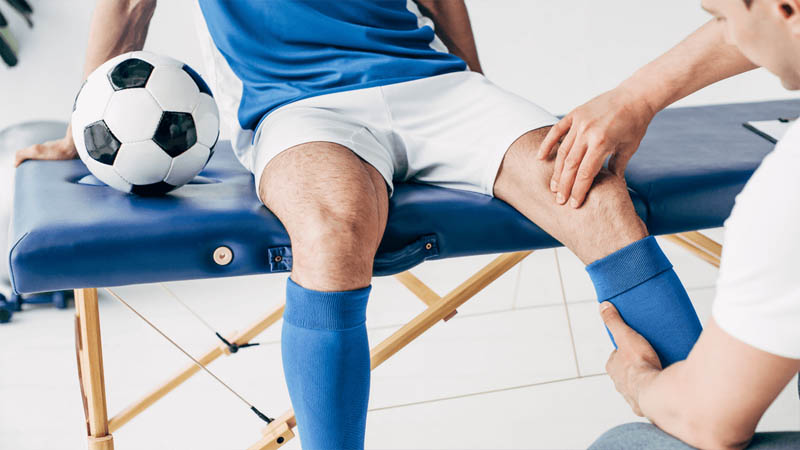
A sports injury can be frustrating for anyone who enjoys being active. For a competitive athlete, it may also affect training schedules, performance goals, confidence and participation in upcoming events. Whether the problem is a muscle strain, ligament injury, tendon issue, joint pain or recovery after surgery, returning to activity usually requires more than simply waiting for the discomfort to disappear.
This is where rehabilitation specialists can play an important role.
Modern sports injury rehabilitation focuses on restoring movement, strength, physical capacity and confidence while gradually preparing the person for the demands of their chosen activity. Rather than following the same recovery programme for every patient, rehabilitation is increasingly individualized according to the injury, symptoms, physical condition, activity level and goals of the person receiving treatment.
For some injuries, rehabilitation may also involve collaboration between physiotherapists, sports therapists, physicians, pain management specialists, strength and conditioning professionals and other healthcare providers. Access to services such as Hyattsville anesthesiology may form part of a broader approach when pain management or specialist medical assessment is appropriate.
What Does a Rehabilitation Specialist Do?
A rehabilitation specialist helps a person regain function after an injury, illness, surgery or period of reduced activity. In sports rehabilitation, the emphasis is generally on restoring the physical qualities required for safe participation in exercise and sport.
The process usually starts with an assessment. Depending on the practitioner and injury, this may include evaluating pain, swelling, mobility, joint range of motion, muscle strength, balance, coordination and the movements that reproduce symptoms.
The specialist can then develop a rehabilitation plan based on the individual’s current abilities and recovery goals.
For example, a recreational runner recovering from an ankle injury will have different physical requirements from a football player returning after a knee injury. Similarly, a swimmer with shoulder pain requires a different rehabilitation strategy from a tennis player experiencing the same general area of discomfort.
Effective rehabilitation therefore considers not only the injured body part but also the activities the person ultimately wants to perform.
Sports Injury Rehabilitation Is More Than Pain Relief
Pain is an important symptom, but the absence of pain does not necessarily mean that an athlete is fully prepared to return to sport.
An injured person may feel considerably better while still having limitations in strength, endurance, mobility, balance or movement control. Returning directly to full training without rebuilding these qualities may place demands on the body that it is not yet prepared to manage.
Rehabilitation therefore looks beyond short-term symptom relief.
A well-planned programme may include mobility exercises, progressive strengthening, balance and coordination work, cardiovascular conditioning and movements that gradually resemble the athlete’s sport.
For certain injuries, later stages may incorporate running, jumping, landing, changing direction, accelerating, decelerating or other sport-specific activities.
The exact approach should depend on the injury and the advice of an appropriately qualified healthcare professional.
The Shift Toward Criteria-Based Rehabilitation
One of the most important principles in contemporary sports rehabilitation is that progression should not depend solely on how many days or weeks have passed since an injury.
Healing time remains important, particularly with significant tissue injuries or surgery, but recovery is also influenced by factors such as injury severity, previous injuries, physical conditioning, age, training demands and individual response to rehabilitation.
For this reason, rehabilitation specialists may use specific milestones to decide when it is appropriate to progress.
These milestones could include improved movement, acceptable symptom response, restored strength, better balance or the ability to complete progressively demanding exercises.
The objective is not simply to reach a particular date. It is to demonstrate that the body can increasingly tolerate the demands that will be placed upon it.
Gradually Rebuilding Physical Capacity
Progressive loading is a central part of many rehabilitation programmes.
Following an injury, doing too much too soon can aggravate symptoms. However, avoiding movement indefinitely is not generally the goal either. Depending on the injury, appropriately selected movement and exercise can help rebuild the capacity needed for normal activity.
The level of exercise is typically increased gradually.
A person might begin with controlled movements before progressing to resistance exercises. From there, rehabilitation could move toward faster, heavier or more complex movements depending on the sport.
For athletes participating in running-based sports, for example, rehabilitation may eventually progress from basic strengthening to jogging, faster running and sport-specific acceleration or directional changes.
Progression should be based on how the individual responds rather than on pressure to return quickly.
Rehabilitation Should Reflect the Sport and the Individual
There is no universal sports injury rehabilitation programme.
A successful programme needs to consider both the injury and the physical demands of the person’s normal activities.
A golfer may need rotational control and the ability to repeatedly produce a smooth swing. A basketball player may require jumping, landing and rapid changes in direction. A distance runner needs repeated tolerance to impact and sustained cardiovascular effort.
Even two people participating in the same sport may need different programmes because their injury history, strength, training experience and goals are different.
Rehabilitation support can also vary depending on the injury and the activity a person is aiming to return to. In Guildford, Seventy9 Sports Therapy provides musculoskeletal injury assessment, rehabilitation and bespoke exercise programmes for people across a range of sporting and activity levels.
This individualized approach is important because the ultimate goal is not simply completing exercises in a clinic. Rehabilitation should progressively prepare the individual for what they actually intend to do outside the treatment environment.
The Importance of Strength and Movement Quality
Loss of strength is common after injury, especially when pain or restricted activity has reduced normal movement.
Rebuilding strength can therefore be an important component of recovery.
However, rehabilitation is rarely about one muscle in isolation. Specialists may also consider how different areas of the body work together during movement.
For example, rehabilitation for certain lower-limb injuries may involve the hips, knees, ankles and trunk rather than concentrating exclusively on the painful area.
Balance, coordination and neuromuscular control can also be relevant, particularly in sports involving rapid movement or changes of direction.
The precise exercises used should be selected according to clinical findings and progressively adapted as the person’s abilities improve.
Psychological Readiness Matters Too
Physical recovery is only one part of returning to sport.
An athlete who has experienced a significant injury may worry about hurting the same area again. Some people become hesitant when performing the movement associated with their original injury, even after their physical condition has substantially improved.
Fear of reinjury can influence movement, confidence and willingness to participate fully.
Rehabilitation professionals can help by gradually reintroducing challenging movements in a controlled environment. Completing increasingly demanding activities may help the athlete rebuild confidence alongside physical capacity.
Communication is equally important. Understanding what the rehabilitation programme is trying to achieve can make the recovery process easier to follow and reduce uncertainty about each stage.
The Value of a Multidisciplinary Approach
Sports injuries sometimes require input from more than one professional.
A rehabilitation specialist may work alongside a sports physician, orthopedic specialist, physiotherapist, pain management physician, strength coach or other clinician depending on the nature of the problem.
This collaborative approach can be particularly valuable when pain is persistent, the diagnosis is uncertain, surgery has been performed or the athlete has complex rehabilitation requirements.
Different professionals contribute different expertise.
A medical practitioner may evaluate the injury and determine whether further investigation or treatment is necessary. A rehabilitation professional can manage progressive exercise and functional recovery. Strength and conditioning professionals may become more involved as an athlete moves closer to unrestricted training and performance.
Clear communication between professionals can help keep everyone working toward the same goal.
Pain Management and Rehabilitation
Managing pain can sometimes make it easier for a person to participate effectively in rehabilitation, but pain treatment and rehabilitation should not automatically be considered the same thing.
Reducing discomfort may allow better movement or greater participation in exercise. However, long-term recovery frequently requires addressing strength, mobility, conditioning and the physical demands associated with the person’s activity.
A multidisciplinary pain and rehabilitation service may therefore combine medical assessment with physical rehabilitation where appropriate.
The specific treatment required depends on the underlying cause of pain, and persistent or worsening symptoms should be medically evaluated rather than simply trained through.
Returning to Sport Is a Process, Not a Single Event
Return to sport is increasingly viewed as a gradual process rather than a single moment when someone is declared either injured or completely recovered.
An athlete may first return to modified training. They may then progress to more demanding practice before eventually participating fully in their sport.
Even after returning to competition, rebuilding previous performance levels may take additional time.
Before progressing, rehabilitation professionals may consider factors such as symptoms, strength, mobility, functional testing, sport-specific movement and psychological readiness.
No individual test can guarantee that another injury will not occur. Instead, return-to-sport decisions typically involve combining several pieces of information with professional clinical judgment and the athlete’s own response.
Can Rehabilitation Help Reduce Future Injury Risk?
No rehabilitation programme can eliminate the possibility of future injury. Sport naturally involves physical demands and, in some activities, unavoidable contact or unpredictable movements.
However, rehabilitation can help address identifiable limitations that may otherwise remain after an injury.
Depending on the situation, this could involve restoring strength, improving movement capacity, correcting major functional deficits, gradually rebuilding workload and improving tolerance to sport-specific activity.
Athletes can also benefit from continuing appropriate strengthening and conditioning after formal rehabilitation has ended.
The aim should be sustainable participation rather than simply getting back to competition as quickly as possible.
Choosing the Right Rehabilitation Support
Anyone seeking rehabilitation should consider the qualifications, experience and area of expertise of the practitioner.
A professional who regularly manages musculoskeletal or sports injuries may be better positioned to understand the physical requirements of returning to particular activities.
It is also useful to look for an approach that includes clear assessment, individualized exercise planning, measurable progression and communication about what each stage of rehabilitation is intended to achieve.
More complex injuries may require coordination between multiple healthcare professionals.
Athletes should also be cautious of programmes promising guaranteed recovery dates or claiming that a particular treatment can completely prevent future injuries. Recovery varies considerably between individuals.
Final Thoughts
Rehabilitation specialists play a significant role in helping athletes and active individuals move from injury toward meaningful participation again.
Modern sports injury rehabilitation is not simply about removing pain or completing a predetermined number of treatment sessions. It involves understanding the injury, progressively rebuilding physical capacity and preparing the individual for the specific demands they will face when returning to activity.
The strongest rehabilitation programmes are individualized, progressive and focused on function. They may also involve collaboration between different healthcare professionals when additional medical or pain management support is required.
Most importantly, returning to sport should not be treated as a race.
A thoughtful progression from recovery to training and eventually full participation gives athletes an opportunity to restore not only movement and strength but also the confidence required to perform again.

Comments are closed.