

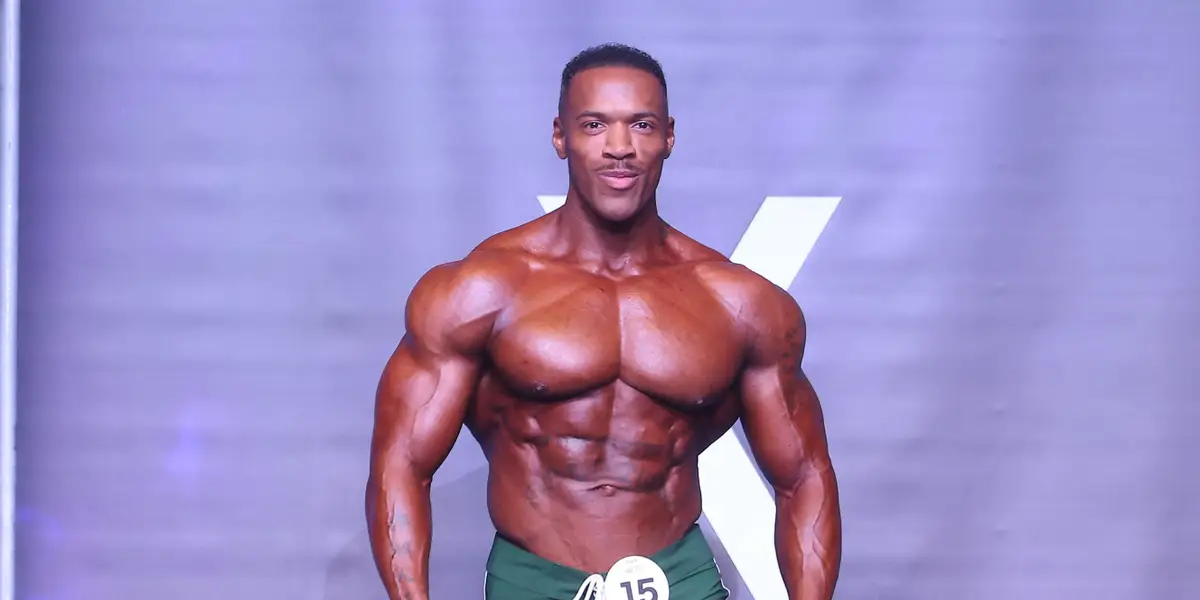
Bodybuilding is often viewed as a pursuit of physical strength and muscle mass, but it transcends mere muscle development. It is a disciplined art, a science of the human form, and a pursuit of personal transformation that combines meticulous training, strategic nutrition, and unwavering mental focus. Those who engage in bodybuilding aren’t simply building their bodies—they’re reshaping their lives. Whether a casual gym-goer or a professional competitor, bodybuilding provides individuals with the tools to achieve a greater understanding of their bodies, unlock their full potential, and master the intricacies of strength and endurance.
The Foundation of Bodybuilding: A Marriage of Science and Art
At its core, bodybuilding is about muscle hypertrophy-the process of enlarging muscle fibers through specific forms of exercise. However, the successful practice of bodybuilding demands more than just lifting weights. It is a delicate balance of physical exertion, nutrition, rest, and mental discipline. Every workout, every meal, every hour of sleep contributes to the ongoing transformation of the body.
Weight training is the cornerstone of bodybuilding. Through resistance exercises such as squats, bench presses, deadlifts, and bicep curls, bodybuilders force their muscles to undergo microscopic tears. In response, the body repairs these fibers, making them stronger and thicker in the process. This is the essential mechanism behind muscle growth, or hypertrophy.
However, it’s not simply about lifting heavier weights. The form and technique behind each lift are critical for preventing injury and ensuring that the muscles are being targeted appropriately. Where injury does occur, and this does happen naturally due to the strain you put on your body, it’s key to attend some form of Weightlifting injury rehab with a professional physiotherapist. Staying on top of injuries and dealing with them properly can prevent them from reoccurring, which can reduce your downtime and improve your results from training.
While novice bodybuilders may prioritize lifting as much weight as possible, seasoned athletes understand the value of controlled movements and proper muscle engagement. Slow, deliberate movements allow for greater time under tension (TUT), a key factor in muscle growth.
The Role of Nutrition: Fueling the Engine
In bodybuilding, exercise alone will not sculpt a muscular physique. Nutrition plays a pivotal role in providing the body with the necessary building blocks to grow. Macronutrients—proteins, carbohydrates, and fats—are the cornerstone of any successful bodybuilding diet.
Protein, the most critical nutrient for muscle repair and growth, is an essential part of every bodybuilder’s diet. Consuming a high-quality protein source, whether animal or plant-based, provides the amino acids needed for muscle tissue recovery and hypertrophy. Chicken, fish, eggs, and whey protein are some of the most common protein-rich foods, though vegetarians and vegans often turn to legumes, tofu, tempeh, and quinoa as alternatives.
Carbohydrates provide the body with the energy it needs for high-intensity workouts. Bodybuilders often consume complex carbs like brown rice, sweet potatoes, oats, and whole-grain pasta to sustain energy levels and replenish glycogen stores. Glycogen is stored in the muscles and liver and acts as the primary fuel source during intense resistance training.
Fats, often misunderstood in the realm of fitness, are crucial for hormone regulation, particularly testosterone, a hormone directly associated with muscle growth. Healthy fats—found in foods such as avocados, nuts, seeds, and olive oil—support overall health and help bodybuilders maintain optimal body function during intense training regimens.
While the foundation of bodybuilding nutrition is built upon these macronutrients, micronutrients (vitamins and minerals) also play an essential role. Nutrient-dense vegetables, fruits, and whole foods are the unsung heroes that support overall well-being, immune function, and recovery. A well-rounded diet, therefore, ensures that the body has the fuel, hydration, and support necessary for peak performance and recovery.
The Power of Recovery: Rest and Rebuilding
One of the most frequently overlooked aspects of bodybuilding is recovery. Many bodybuilders make the mistake of training relentlessly, believing that more workouts equal more muscle. However, the body doesn’t grow in the gym—it grows during rest. Muscles need time to repair themselves, and without sufficient recovery, the risk of overtraining, injury, and burnout increases significantly.
Sleep is the most important form of recovery. It is during sleep that the body releases growth hormone, which aids in muscle repair and regeneration. A minimum of seven to eight hours of quality sleep is critical for maximizing muscle growth and recovery. Moreover, adequate rest periods between workouts are equally vital. Most bodybuilders aim to train each muscle group once or twice a week, allowing for 48 to 72 hours of recovery between sessions.
In addition to rest, active recovery techniques such as stretching, foam rolling, and low-intensity cardio can aid in muscle repair and alleviate soreness. Techniques like massage therapy and cryotherapy, while not essential, are also used by professional bodybuilders to accelerate recovery and reduce the risk of injury.
The Mindset of a Bodybuilder: Mental Discipline and Focus
The mental aspect of bodybuilding is as crucial as the physical. While the pursuit of a well-defined, muscular physique requires intense physical exertion, it is the psychological discipline that often separates the successful from the unsuccessful. Bodybuilding is not merely about lifting weights; it is about committing oneself to a lifestyle of consistency, focus, and patience.
Setting goals is fundamental to progress in bodybuilding. These goals are not always short-term but involve long-term vision, as the transformation of the body takes time. Whether the aim is to build muscle mass, lose fat, or achieve a particular physique for competition, bodybuilders must approach their journey with unwavering persistence.
The mental fortitude required for bodybuilding also extends to handling setbacks and plateaus. Physical progress is not linear; there will be periods of stagnation where gains seem to slow or stop altogether. Overcoming these challenges requires resilience, a positive attitude, and the ability to adapt training and nutrition strategies to break through barriers.
Another key aspect of bodybuilding is discipline in the face of temptation. Bodybuilders are often required to adhere to strict diets, particularly when preparing for competitions. This means saying no to indulgent foods and drinks, staying consistent with training schedules, and managing the inevitable physical and mental fatigue that comes with the lifestyle.
Bodybuilding Beyond the Physique: The Lifestyle and Community
For many, bodybuilding is more than a sport; it is a lifestyle. The routines, habits, and mindsets developed through bodybuilding can bleed into other areas of life. The discipline of meal planning, the consistency of training, and the ability to push through discomfort all contribute to personal growth and the development of a strong, resilient character.
Moreover, bodybuilding fosters a unique community. Bodybuilders, whether amateur or professional, often share a deep sense of camaraderie and mutual respect. This is a community built on hard work, shared struggles, and the pursuit of excellence. From local gym groups to online forums, bodybuilders exchange advice, tips, and experiences, constantly learning from one another.
For those who compete, bodybuilding takes on an even greater significance. Professional competitions, such as the Mr. Olympia contest, are the pinnacle of the sport, where years of meticulous training, dedication, and sacrifice culminate in a single moment of glory. The dedication required to reach such heights is unparalleled, and the respect for fellow competitors is immense.
Conclusion
Bodybuilding is far more than a physical pursuit—it is a holistic discipline that touches every aspect of an individual’s life. From the science of muscle growth to the art of sculpting the body, bodybuilding challenges both the body and mind. The process is slow and steady, but the rewards are profound: not only a stronger, healthier body but also a sharpened mental fortitude and a deep understanding of the limits of human potential. For those willing to put in the work, bodybuilding offers a path to transformation, growth, and personal achievement that transcends the gym and becomes a lifelong journey.

Comments are closed.