

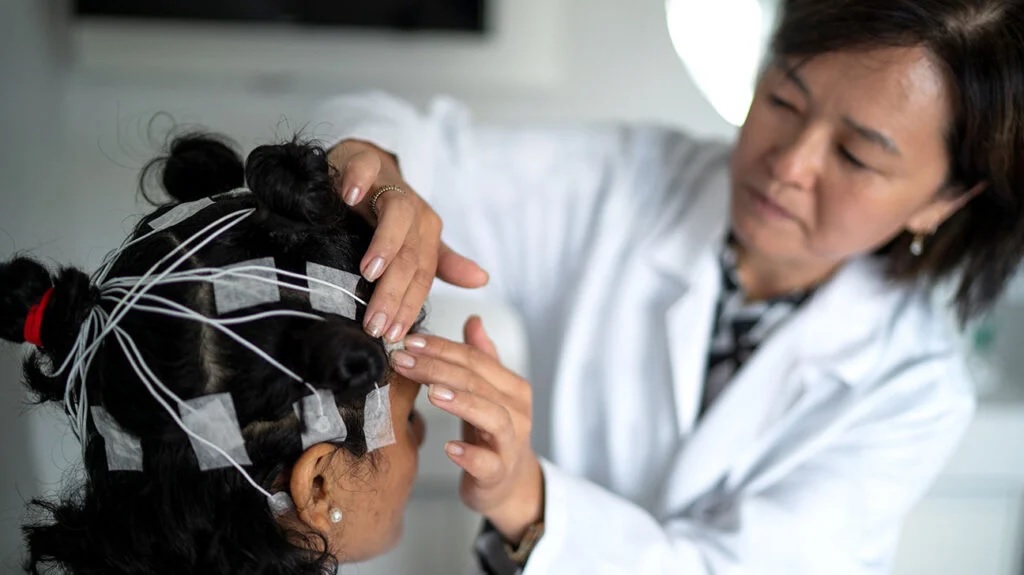
The intricate labyrinth that is the human brain, remains one of the most fascinating and complex frontiers in medical science. It’s the neurologists, like those at general neurology Oxnard, who bravely explore this vast landscape. They stand on the edge of knowledge, armed with an array of tools and techniques. These are the torches that light their way, guiding them in the diagnosis of brain disorders. This blog post will take you on a journey. A voyage through the process of how these dedicated professionals discover what’s hidden in the contours of our brains.
The Tools of the Trade
Imagine a mechanic without a toolbox. Impossible, right? Similarly, neurologists rely on a diverse set of tools. Neurological exams, imaging tests, and laboratory screens – these work together to bring the details of the brain into focus.
Neurological Examinations
Picture a detective, poring over clues to solve a mystery. The neurological examination is just that. During this process, neurologists systematically check for physical and mental symptoms. They examine the patient’s balance, speech, and memory. They test reflexes, sensation, and motor skills. Each of these pieces come together to form a clearer picture of what’s happening inside the brain.
Imaging Tests
Consider the power of sight. It allows us to perceive the world in detail. Imaging tests grant neurologists this power, enabling them to visually explore the brain. Tools such as MRI and CT scans generate detailed images of the brain’s structure. They reveal abnormalities like tumors, clots, or damage from a stroke.
Laboratory Screens
Think of laboratory screens as silent informers. They relay crucial information about a patient’s overall health. Blood tests can expose infections, genetic disorders, or issues with the immune system. All of these factors might hint at a brain disorder.
The Art of Diagnosis
Detecting a brain disorder is akin to completing a complex jigsaw puzzle. The pieces are the symptoms and test results. Neurologists must piece them together, analysing each one, comparing it with the next. It’s an intricate process that requires patience, knowledge, and skill. One misstep can lead to a misdiagnosis, and that’s not an option.
The Path Forward
Once a diagnosis is made, the journey is far from over. It’s just the beginning of a new path. One that involves treatment plans, therapies, and ongoing care. It’s a path that the brave professionals at general neurology Oxnard tread with their patients, every step of the way.
In conclusion, the art of diagnosing brain disorders is a complex, intricate process. But with the right tools, the right skills, and a relentless pursuit of knowledge, neurologists continue to unravel the mysteries of the human brain.

Comments are closed.